What to Do While You’re Waiting for a Tow Truck in Anchorage
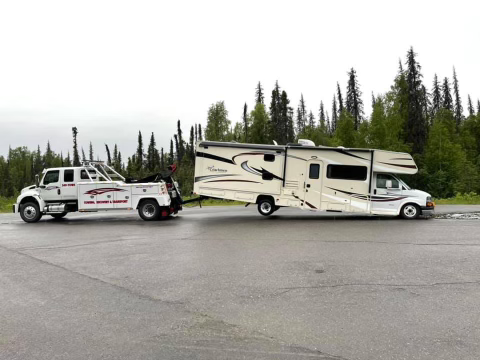
Breaking down on the side of the road is stressful anywhere. In Anchorage, that stress is often amplified by cold temperatures, limited daylight, traffic, and unpredictable weather. Once you have called for a tow, the hardest part is usually the waiting. Knowing what to do during that time can help you stay safe, calm, and prepared until help arrives.
Here are a few important steps to take while you are waiting for a tow truck in Anchorage.
Get to a Safe Location
If your vehicle is still drivable, move it as far off the roadway as possible. A wide shoulder, parking lot, or side street is always safer than sitting in traffic. If the car cannot be moved, turn your wheels away from traffic and stay aware of your surroundings.
If you feel unsafe inside the vehicle due to traffic or visibility, it may be safer to stand a short distance away from the road, provided weather conditions allow it.
Make Your Vehicle Visible
Turn on your hazard lights as soon as you stop. This alerts other drivers that your vehicle is disabled, helping reduce the risk of a secondary collision.
At night or during heavy snowfall, visibility drops quickly. If you have reflective triangles, cones, or flares, place them behind your vehicle if it is safe to do so. Even a slight increase in visibility can make a big difference on Anchorage roads.
Stay Warm and Prepared
Cold temperatures are a serious concern in Alaska, especially in winter or during the shoulder seasons when the weather can change quickly.
Stay inside the vehicle if it is safe, and run the engine periodically to generate heat, but make sure the exhaust pipe is clear of snow. If the car cannot run, use extra layers, blankets, gloves, and hats to retain body heat. Avoid leaving the vehicle unless necessary.
If you have an emergency kit, now is the time to use it. Flashlights, water, snacks, and extra clothing can make waiting much more manageable.
Stay in Contact
Once you have requested a tow, keep your phone accessible and charged. Many tow operators may call to request additional details or confirm your location.
If your battery is low, conserve power by closing unnecessary apps and dimming the screen. If you are traveling with others, let someone know your situation and location so they can check in on you.
Be Clear About Your Location
Accurate location information helps tow operators reach you faster. Note nearby mile markers, intersections, businesses, or landmarks. In Anchorage, highway names and direction of travel can be just as important as an address.
If you are unsure of your exact location, many smartphones allow you to share your location directly with dispatch.
Avoid Accepting Help From Strangers
While many people have good intentions, it is safest to wait for the professional help you have requested. Accepting assistance from unknown drivers can sometimes create additional risks, especially in poor weather or low visibility.
If someone stops to check on you, a simple acknowledgment and confirmation that help is on the way is usually sufficient.
Take a Breath and Stay Calm
Waiting can feel long, especially in bad weather, but stress can make the situation feel worse than it is. Once your call is placed and safety steps are taken, focus on staying warm and visible.
Tow operators understand the urgency of these situations and work quickly and safely to reach you.
Help Is on the Way
At Vulcan Towing and Recovery, we know that every roadside call comes with stress and uncertainty. Our goal is not just to move vehicles, but to help people feel safer from the moment they make the call.
If you find yourself stranded on Anchorage roads, remember that help is on the way. Stay visible, stay warm, and know that you are not alone out there.